Mark Your Calendar: How Timing the Sports Schedule Gives Sharp Bettors a Real Edge
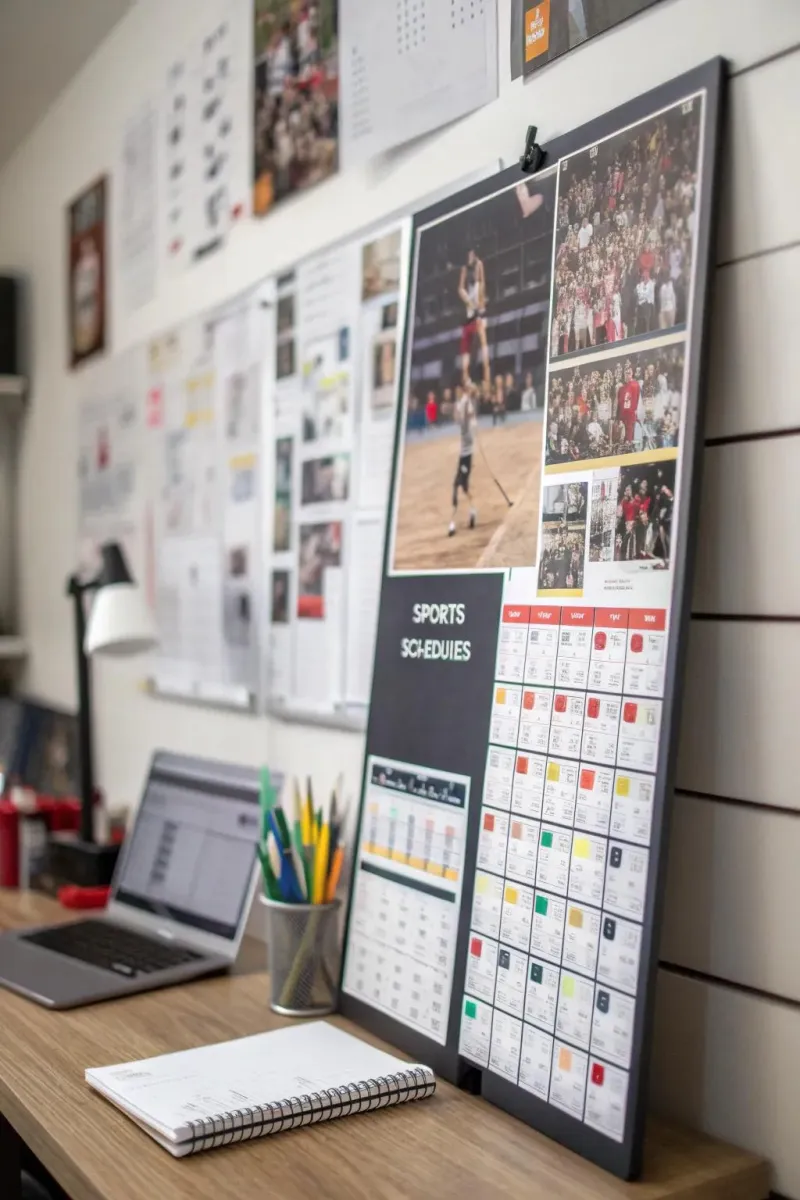
Photo: sports calendar planning desk with betting odds on laptop, via casolia.com
Here's something most recreational bettors never think about: the best edge in sports wagering often has nothing to do with picking winners. It has everything to do with when you bet.
Sharps — the professional or semi-professional bettors who consistently beat the books — don't just study matchups. They study the calendar. They know which dates create market inefficiencies, which announcements shift lines, and which windows of time give them the best shot at locking in value before the rest of the world figures it out.
If you're placing bets without a sense of timing, you're essentially showing up to a poker game after everyone else has already seen the flop.
Why the Calendar Is a Betting Tool
Sportsbooks are good at their jobs. They set lines that balance action and minimize their exposure. But they're not perfect — especially when information hits fast and the market hasn't had time to adjust.
That's the gap sharp bettors live in.
The sports calendar is full of predictable moments where lines are likely to move: injury report deadlines, trade deadlines, coaching hires, schedule releases, and even bye weeks. Each of these creates a before-and-after moment in the betting market. Get in before, and you might find value. Wait until after, and the line has already moved to reflect the new reality.
Think of it like buying concert tickets. The people who score front-row seats didn't wait until the day of the show. They knew the on-sale date and showed up ready.
The Big Calendar Markers Every Bettor Should Know
NFL Injury Reports
The NFL requires teams to release official injury reports on Wednesdays, Thursdays, and Fridays during the regular season. These aren't just paperwork — they're market-moving documents.
A star quarterback listed as "limited" on Wednesday might not mean much. But if he's downgraded to "questionable" by Friday, expect the line to shift fast. Sharp bettors monitor these reports obsessively and often place bets Thursday morning before the public reacts to Friday's final report.
Knowing when these reports drop — and having your read on the game already in place — puts you ahead of the casual bettor who only hears about it on Sunday morning.
NBA and NHL Trade Deadlines
Trade deadline day is chaotic for sportsbooks. Lines get pulled, adjusted, and reposted as rosters change in real time. A team that ships out its starting center or acquires a playoff-hungry scorer overnight becomes a fundamentally different betting proposition.
The sharpest bettors don't just react to trades — they anticipate them. Following beat reporters, tracking salary cap situations, and watching which teams are clearly in sell-off mode can help you identify futures bets or upcoming game lines that haven't yet priced in a likely roster change.
Coaching Changes and Front Office Moves
A mid-season coaching firing might seem like chaos, but for bettors paying attention, it's often a signal. Teams under interim coaches frequently come out with renewed energy in their first game or two — a well-documented phenomenon sometimes called the "interim coach bounce."
On the flip side, a new offensive coordinator taking over might mean a team underperforms against the spread for several weeks as players adjust to a new system. These are real, exploitable patterns — but only if you're tracking the news as it happens.
Schedule Releases and Rest Advantages
When the NFL drops its full season schedule every spring, sharp bettors immediately start mapping rest advantages. Which teams have back-to-back road games? Who's playing three games in ten days? Which divisional matchups fall right after a team's bye week?
These factors rarely get priced into futures markets immediately. If you're one of the first people to notice that a team faces a brutal stretch in weeks 10 through 13, you can grab futures or win-total bets before the books account for it.
Building Your Own Betting Calendar
You don't need to be a full-time sharp to take advantage of timing. Here's a simple way to start building your own betting calendar:
Step 1: List the sports you bet on and map out their key dates. For the NFL, that's injury report windows, the trade deadline (week 8), and the schedule release in May. For the NBA, it's the trade deadline in February and the playoff bracket reveal. For college football, it's signing day and spring game results that hint at depth changes.
Step 2: Set alerts. Use Google Alerts, Twitter/X lists, or apps like The Athletic to get real-time notifications on coaching changes, roster moves, and injury updates for the teams you're targeting.
Step 3: Bet with intention, not impulse. When a key date arrives, have your analysis ready. Know what the line is before the news breaks so you can quickly evaluate whether the post-announcement number represents value or has already been corrected.
Step 4: Track your timing. Keep a simple log of when you placed bets relative to key news events. Over time, you'll start to see patterns in where you're finding the most value.
The Mindset Shift
Most bettors think about what to bet. Sharps also think about when to bet. That's not a minor distinction — it's often the entire difference between a winning and losing approach over a long season.
The sports calendar isn't just a schedule of games. It's a roadmap of market-moving moments. Learn to read it, plan around it, and you'll be operating on a completely different level than the casual bettor who picks games on Saturday morning and hopes for the best.
At OKBetting, we always say: smart odds come from smart timing. Start treating the calendar like the betting tool it actually is.