Flagged and Faded: How Sportsbooks Spot Winning Bettors and What You Can Do About It

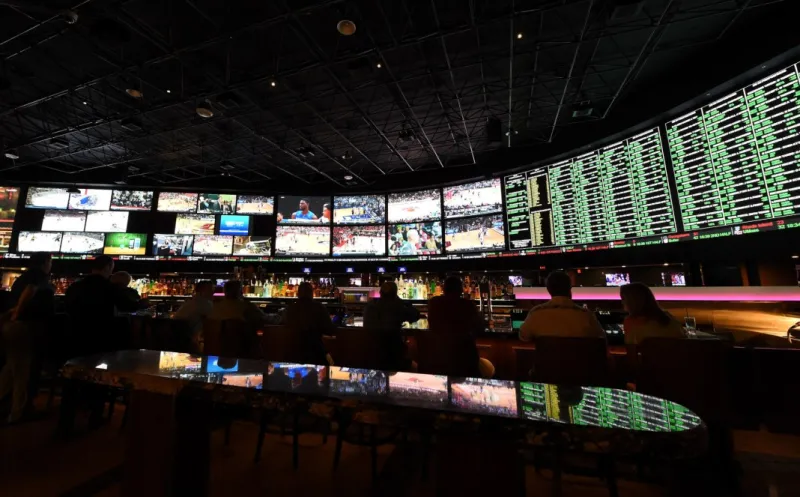
Photo: Bjørn Erik Pedersen, CC BY-SA 4.0, via Wikimedia Commons
There's a moment almost every serious bettor eventually hits. You're running well, your process is sharp, and then — out of nowhere — your max bet on a game drops from $500 to $50. No explanation. No warning. Just a quiet message from the sportsbook that they've decided you're no longer welcome to bet the same way everyone else does.
This is account management, and it's one of the most frustrating realities of sports betting in the US. The books don't ban winners outright — that would be too obvious. Instead, they slowly squeeze your limits until betting with them becomes pointless. Understanding how this process works, and how to slow it down, is genuinely useful knowledge for anyone trying to build a long-term edge.
How Sportsbooks Actually Identify You
Sportsbooks aren't just watching your win rate. They're running sophisticated profiling that tracks a whole range of behavioral signals. The goal isn't just to find people who are up money — it's to find people whose bets are predictive, meaning their action moves the needle on what the true line should be.
Here are the main triggers that put a target on your back:
Consistently betting into soft lines. If you're frequently placing bets right when a line opens — before the market has a chance to adjust — you're signaling that you're either sharp yourself or following sharp action. Books open lines with lower limits precisely because they know the first wave of bettors tends to be the most dangerous.
Winning at a rate that exceeds what the vig accounts for. A recreational bettor winning 52% of spread bets is just running hot. Someone winning 56-57% over a meaningful sample is almost certainly doing something right — and the book's risk team will notice.
Bet sizing patterns that don't match recreational behavior. Casual bettors vary their bets based on how much they like a game or how confident they feel. Sharp bettors tend to bet more consistently, often in round numbers, with sizing that reflects a calculated percentage of bankroll rather than gut feel. That kind of disciplined sizing is a red flag.
Targeting specific bet types. If your account shows heavy activity on player props, alternate lines, or first-half markets — areas where sportsbooks are known to have softer numbers — you're essentially telling them where you've found the holes in their pricing.
The Mechanics of Getting Limited
When a book decides you're a threat, the restriction process usually happens in stages. Your first sign might be a subtle drop in your maximum bet on a single market. Then it spreads to other markets. Eventually, some accounts get what bettors call the "correlated limit" — where every market you touch gets capped almost immediately after you place a bet.
Some books use flat limits, capping you at something like $20 per game regardless of the sport or line. Others use dynamic limits, where your cap fluctuates based on recent activity and how much heat you've generated. Either way, the practical effect is the same: your ability to get meaningful money down disappears.
The frustrating part is that this isn't illegal, and books aren't required to tell you why it happened. In most US states, sportsbooks operate with wide latitude to manage their own risk exposure however they see fit. From a business standpoint, it makes complete sense — they're not casinos running table games where the house edge is guaranteed. With sports betting, a skilled bettor genuinely can beat them, and the books know it.
What Sharp Bettors Do to Stay in the Game
Here's where it gets practical. If you're good enough to get limited, you're good enough to think strategically about how you operate. None of these tactics are guaranteed, but they're the same approaches that experienced bettors use to extend their shelf life at books that would otherwise cut them off.
Spread your action across multiple books. This is the most fundamental piece of advice, and it's worth repeating. The US market now has a wide range of legal sportsbooks operating in most states — DraftKings, FanDuel, BetMGM, Caesars, ESPN Bet, and plenty of regional options. No single book needs to see your full betting volume. Distributing your action makes it harder for any one operator to build a complete picture of your edge.
Mix recreational bets in with your sharp plays. This sounds counterintuitive, but adding some lower-value action — a small parlay, a bet on your favorite team, a modest wager on a popular game — creates noise around your signal. Books profile based on patterns, and breaking up your patterns with occasional recreational behavior can slow the profiling process.
Vary your bet sizing deliberately. If every bet you place is exactly $110 to win $100, you're handing the risk team a clean data point. Varying your sizing — not randomly, but in a way that still reflects your edge assessment — makes your behavior look less algorithmic.
Be careful about line timing. Betting into opening lines is high-value but also high-visibility. If you can find your edge on lines that have already moved, or in markets that aren't as heavily scrutinized, you'll generate less heat even while staying profitable.
Use sharp-friendly books for your biggest plays. Pinnacle and a handful of other offshore books have built their business model around accepting sharp action. They set better lines precisely because they allow sharp bettors to participate. If you're serious about volume, knowing which books welcome winners versus which ones will limit you quickly is essential intelligence.
The Bigger Picture
Here's the honest reality: if you're winning consistently enough to get limited, you're doing something right. The restriction is almost a badge of honor in serious betting circles. But it also creates a real operational challenge — your ability to convert an edge into actual profit depends on being able to get bets down at reasonable sizes.
The bettors who navigate this best treat sportsbook access as a resource to be managed, not just a venue to fire bets at. They think about which books to prioritize, how much action to put through each one, and how to balance staying profitable with staying under the radar.
It's an ongoing chess match, and the books have more resources than any individual bettor. But understanding how the game is played — and why you're getting squeezed when you're actually winning — is the first step toward playing it smarter.